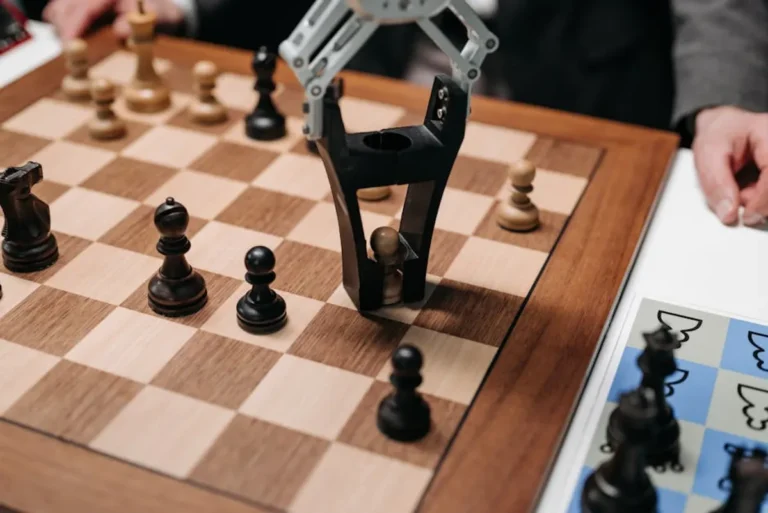
Entering the world of modern board games can feel overwhelming, given the sheer volume of titles available. For newcomers, the goal isn't just to find *a* game, but to find the *right first game*—one that balances intuitive rules with engaging play, fostering a positive initial experience that encourages further exploration. The ideal beginner board game acts as a gateway, simplifying core mechanics without sacrificing strategic depth, ensuring players can grasp the fundamentals quickly and enjoy the social or competitive aspects without extensive prior knowledge.
What Defines a Beginner-Friendly Board Game?
A board game's accessibility for new players hinges on several design elements. Understanding these helps filter the vast market into manageable choices. Key characteristics include:
- Simple Rule Sets: Rules should be explainable within 5-10 minutes, avoiding complex exceptions or multi-layered systems. The core loop of play—what a player does on their turn—must be clear and repeatable.
- Short Playtime: Games completing within 30-60 minutes maintain engagement and reduce fatigue, especially for those unaccustomed to longer gaming sessions. This allows for multiple plays or easier recovery from rule mistakes.
- Low Setup Time: Minimal component sorting, board assembly, or extensive pre-game decisions mean players get to the action faster, reducing initial friction.
- Clear Objectives: The path to victory should be straightforward, even if the strategies to achieve it are nuanced. Players need to understand what they are trying to accomplish from the outset.
- Engaging Theme (Optional but Helpful): While abstract games can be beginner-friendly, a compelling theme often aids immersion and makes rules easier to remember by providing narrative context.
- Forgiving Mistakes: Early errors should not immediately doom a player's chances, allowing for learning and adaptation without frustration.
Choosing Your First Game: Key Considerations
Beyond the game's inherent design, personal preferences and playing circumstances heavily influence the best choice for a beginner.
Player Count and Interaction
Consider who you'll be playing with most often. Some games excel with two players, while others require larger groups to shine. Also, decide on the desired level of player interaction:
- Competitive: Players directly oppose each other, often leading to strategic blocking or direct attacks.
- Cooperative: Players work together against the game system, fostering teamwork and shared problem-solving. These are often excellent for beginners as they reduce individual pressure and encourage collective learning.
- Indirect Competition: Players pursue their own objectives, but their actions might incidentally affect others (e.g., taking a resource another player needed).
Game Length and Complexity
Initial experiences should lean towards shorter playtimes (30-60 minutes) and lower complexity. A game's complexity is often indicated by its rulebook length and the number of distinct decisions a player must make on a turn. Websites like BoardGameGeek.com provide community-rated complexity scales (weight) for reference, where lower numbers (e.g., 1.5-2.5 out of 5) indicate easier games.
Theme and Mechanics
A theme that genuinely interests you or your group can significantly enhance enjoyment. Whether it’s building train routes, settling an island, or fighting monsters, a resonant theme makes the game more appealing. Similarly, consider core mechanics: Do you prefer dice rolling, card drafting, tile placement, or resource management? While beginners may not know their preferences yet, a brief overview of common mechanics can guide choices.
Recommended Gateway Board Games
These titles consistently serve as effective entry points for new players, balancing simplicity with engaging gameplay.
Ticket to Ride
Best for: 2-5 players, ages 8+, 30-60 minutes, competitive, indirect interaction.
Players collect colored train cards to claim railway routes connecting cities across a map. The objective is to complete destination tickets—specific routes between cities—for points. Its appeal lies in its straightforward "collect sets and claim routes" mechanic, combined with tactical decisions about blocking opponents. The visual satisfaction of placing trains on the board is a tangible reward for progress.
Catan (formerly The Settlers of Catan)
Best for: 3-4 players (up to 6 with expansion), ages 10+, 60-120 minutes, competitive, high interaction (trading).
Catan involves resource gathering, trading, and building settlements and cities on a modular board. Players roll dice to determine which hexes produce resources, then trade these resources with others to expand their network. Its core strength is the negotiation aspect, which creates dynamic player interaction, alongside a clear goal of reaching 10 victory points. The modular board ensures replayability.
Carcassonne
Best for: 2-5 players, ages 7+, 30-45 minutes, competitive, indirect interaction.
Players draw and place square tiles depicting landscapes (cities, roads, monasteries, fields) to build a medieval map. After placing a tile, players can deploy a "meeple" (wooden follower) onto a feature to claim it. When the feature is completed, the meeple returns, and points are scored. Carcassonne is praised for its simple tile-laying mechanic and visual progression, offering satisfying tactical choices each turn.
Pandemic
Best for: 2-4 players, ages 8+, 45-60 minutes, cooperative.
In Pandemic, players take on roles with unique abilities (e.g., Medic, Scientist) and work together to stop four deadly diseases from spreading across the globe. It's a race against time, requiring strategic planning and resource management to find cures before outbreaks overwhelm cities. The cooperative nature makes it ideal for beginners, as experienced players can guide newcomers without making them feel left behind. The tension and shared victory (or defeat) are highly engaging.
Sushi Go!
Best for: 2-5 players, ages 8+, 15-20 minutes, competitive, indirect interaction (card drafting).
A fast-paced card-drafting game where players aim to create the best combination of sushi dishes. Each round, players choose one card from their hand, pass the rest, and then reveal their chosen card. This continues until all cards are played. Its quick playtime, adorable artwork, and simple "pick and pass" mechanic make it an excellent filler game or a light entry point into drafting mechanics.
Pro Tip: When introducing a new game to beginners, resist the urge to explain every single rule upfront. Focus on the core objective and the actions a player can take on their turn. Introduce advanced rules or scoring nuances as they become relevant during play, or after the first round. This reduces cognitive load and allows players to grasp the game by doing.
Making the First Play a Success
Beyond choosing the right game, how you introduce and play it significantly impacts a beginner's experience.
- Read the Rules Thoroughly: Understand the game yourself before teaching it. Even better, play a solo round or watch a "how to play" video.
- Set Expectations: Emphasize fun over winning. Let players know it's okay to make mistakes and that the first game is often about learning.
- Be Patient: Allow new players time to process information and make their moves without rushing them. Offer guidance if asked, but avoid "quarterbacking" unless it's a cooperative game where that's part of the strategy.
- Keep it Light: Maintain a positive atmosphere. Celebrate good moves, laugh off mistakes, and focus on the shared experience.
Embarking on Your Board Game Journey
The world of modern board games offers rich experiences, from intricate strategy to lighthearted fun. Starting with a well-chosen gateway game, combined with a patient and encouraging approach to teaching, sets the stage for a rewarding hobby. Don't be afraid to try different genres and themes; your personal preferences will evolve as you discover what you enjoy most. The ultimate goal is to find games that bring people together, foster engaging decisions, and create memorable moments around the table.
Frequently Asked Questions
What's the best board game for two players?
For two players, Carcassonne and Ticket to Ride both offer excellent experiences. Sushi Go! can also be played with two, though it shines with more. For cooperative play, Pandemic is a strong two-player option.
Are cooperative games good for beginners?
Yes, cooperative games like Pandemic or Forbidden Island are often ideal for beginners. They reduce individual pressure, encourage teamwork, and allow more experienced players to guide newcomers through strategies without directly competing against them.
How long do beginner board games usually take to play?
Most recommended beginner board games complete within 30 to 60 minutes. Some, like Sushi Go!, can be as short as 15-20 minutes, while others like Catan might extend to 90-120 minutes for a full game with new players.
What's the difference between a board game and a card game for beginners?
While many board games incorporate cards, a "card game" often refers to games played primarily with cards and minimal other components (like Sushi Go!). Board games typically feature a physical board, various tokens, and more complex spatial or resource management elements. Both can be beginner-friendly; the key is simplicity of rules and clear objectives.