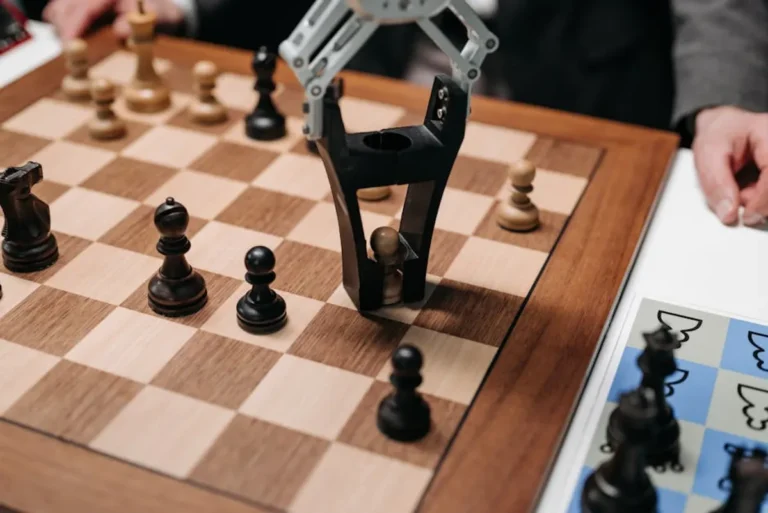

Selecting the right family board game transforms a regular evening into a memorable game night, fostering connection and friendly competition. The market offers a vast array of options, making the choice challenging for families with diverse age ranges, interests, and attention spans. Identifying games that balance engaging mechanics with accessibility for all players, from young children to adults, is crucial for sustained enjoyment and replayability. This guide focuses on board games that consistently deliver positive family experiences, considering factors like setup time, learning curve, strategic depth, and overall fun factor to help you make an informed decision.
How to Choose the Best Family Board Games
Before diving into specific recommendations, consider several key factors to align your choice with your family's unique dynamics and preferences. A thoughtful selection ensures the game becomes a beloved activity rather than a one-time novelty.
- Age Appropriateness: Always check the manufacturer's recommended age range. While some games can be adapted for younger players, forcing a complex game on a child below its recommended age can lead to frustration for everyone. Conversely, overly simplistic games may bore older players. Look for games with mechanics that scale or offer varying levels of complexity.
- Player Count: Ensure the game supports your typical family gathering size. Some games excel with two players, while others require a larger group to fully shine. Verify both the minimum and maximum player counts to avoid disappointment.
- Playtime: Consider your family's attention spans. Quick-playing games (20-45 minutes) are ideal for younger children or weeknights, while longer games (60-120+ minutes) suit dedicated game nights or older groups. An average playtime estimate is usually listed on the box.
- Complexity and Learning Curve: A family game should be relatively easy to learn, with rules that can be explained in 10-15 minutes. While strategic depth is a plus, overly complex rulebooks or intricate mechanics can deter new players and lead to frustration. Look for games with intuitive gameplay loops.
- Theme and Engagement: The game's theme should resonate with your family's interests. Whether it's building empires, exploring fantastical lands, or solving mysteries, a compelling theme enhances immersion. Engaging components, such as detailed miniatures or vibrant artwork, also contribute to the overall experience.
- Replayability: A good family game offers variety from one play to the next. This can come from variable setup, different player strategies, expansion packs, or emergent storytelling. High replayability ensures the game remains fresh and doesn't gather dust after a few plays.
- Cooperative vs. Competitive: Decide if your family prefers working together against the game (cooperative) or competing against each other (competitive). Cooperative games can be excellent for fostering teamwork and minimizing conflict, while competitive games offer the thrill of individual victory.
1. Ticket to Ride
Ticket to Ride stands as a cornerstone of modern family board gaming, offering an accessible yet strategic experience centered around collecting colored train cars to claim railway routes across a map. Its elegance lies in the straightforward objective: connect cities to complete destination tickets, earning points for longer routes and completed objectives. The game balances simple mechanics with meaningful decisions, making it a gateway game for newcomers to the hobby while retaining depth for experienced players. The visual appeal of the board and train pieces contributes significantly to its charm.
Best for: Families seeking an introduction to strategic board games, those who enjoy route-building and set collection, and groups with mixed ages (8+).
Pros: Rules are simple to teach in minutes, making it accessible for new players. Visual appeal of the board and train pieces enhances engagement. Offers strategic depth without overwhelming complexity, appealing to varied skill levels. High replayability due to varying destination tickets and route availability.
Cons: Direct competition for routes can sometimes lead to frustration for younger players. Game length can extend if players overthink moves, potentially losing younger children's attention. Limited player interaction beyond blocking routes.
Verdict: Ticket to Ride remains a top recommendation for its universal appeal, elegant design, and ability to consistently deliver an engaging family game night experience. It’s a foundational game for any collection.
2. Carcassonne
Carcassonne invites players to collaboratively build a medieval landscape, tile by tile, while strategically claiming features like cities, roads, monasteries, and farms with their "meeples." Each turn involves drawing and placing a new land tile, then deciding where to deploy a follower to score points. The game's beauty lies in its emergent map and the tactical decisions required for meeple placement, balancing immediate points with long-term scoring opportunities. Its modular design ensures no two games are ever the same, promoting high replayability.
Best for: Families who enjoy spatial puzzles, strategic tile-laying, and games with a strong visual component. Suitable for ages 7+.
Pros: Easy to learn rules with simple turn structure. High replayability due to the variable board creation. Encourages tactical thinking and spatial reasoning. Offers satisfying moments of completing features and scoring points. Numerous expansions add complexity and variety.
Cons: Scoring farms can be complex for new players. Direct competition for features can sometimes lead to minor conflicts. Can feel less engaging with only two players compared to higher counts.
Verdict: Carcassonne is a timeless classic that provides a unique blend of simplicity and strategic depth. Its engaging tile-laying mechanic makes it a consistently enjoyable choice for family game night.
3. Sushi Go!
Sushi Go! is a fast-paced card-drafting game where players aim to create the best combination of sushi dishes as they pass cards around the table. Each round, players select one card from their hand, then pass the rest to the next player, repeating until all cards are drafted. The goal is to collect sets of specific sushi types, like tempura, sashimi, or maki rolls, to score points. Its quick gameplay, adorable artwork, and straightforward scoring make it an excellent filler game or a light opener for any game night.
Best for: Families looking for a quick, light, and engaging card game, especially those who enjoy set collection and rapid decision-making. Ideal for ages 8+.
Pros: Exceptionally easy to learn and teach, with rounds lasting only 10-15 minutes. Adorable and colorful artwork enhances appeal. Encourages quick strategic thinking and adapting to available cards. Highly portable and affordable.
Cons: Luck of the draw can sometimes heavily influence outcomes. Limited strategic depth for players seeking more complex challenges. Can feel repetitive after many plays without variety from expansions.
Verdict: Sushi Go! is a delightful, accessible card game perfect for families seeking a quick burst of fun and strategic card drafting. Its charming presentation makes it a consistent hit.
4. King of Tokyo
King of Tokyo transforms players into giant monsters, robots, or aliens battling for control of Tokyo. Using custom dice, players roll to attack opponents, heal, gain energy, or score victory points. The game combines Yahtzee-style dice rolling with strategic decision-making on when to enter Tokyo for bonus points and when to retreat to heal. Its vibrant theme, engaging dice mechanics, and direct player interaction make it an exciting and often boisterous game night option.
Best for: Families who enjoy dice-rolling games, monster themes, and direct player-versus-player combat in a lighthearted setting. Suitable for ages 8+.
Pros: Fast-paced gameplay with satisfying dice-rolling moments. Simple rules that are easy to pick up. High player interaction keeps everyone engaged. Unique monster powers and upgrade cards add strategic variety. Evokes a fun, thematic "monster movie" feel.
Cons: Can be prone to "take that" moments, which might not appeal to all families. Luck of the dice can heavily influence outcomes, potentially frustrating some players. Theme might be too aggressive for very sensitive children.
Verdict: King of Tokyo offers an energetic and accessible monster-bashing experience. Its blend of dice luck and strategic choices provides consistent entertainment for families seeking a more confrontational, yet light, game.
5. Kingdomino
Kingdomino challenges players to build the most valuable kingdom by strategically placing domino-like tiles. Each turn, players select a tile and add it to their 5x5 (or 7x7) grid, aiming to connect matching terrain types and acquire crowns. The game's innovative tile-drafting mechanism, where players choose tiles that dictate their turn order in the next round, adds a layer of tactical depth to the simple tile-placement mechanic. It’s quick, visually appealing, and offers satisfying kingdom-building decisions.
Best for: Families who enjoy spatial puzzles, quick strategy games, and tile-placement mechanics. Excellent for ages 8+ and adaptable to younger children with slight rule modifications.
Pros: Extremely easy to learn and teach, with games lasting around 15-20 minutes. Compact size makes it highly portable. Encourages strategic thinking about tile placement and turn order. High replayability due to variable tile draws. Visually appealing kingdom creation.
Cons: Limited player interaction beyond drafting tiles. Scoring can sometimes feel less intuitive for new players compared to other games. Can feel too light for players seeking deep strategic challenges.
Verdict: Kingdomino is a brilliant, streamlined tile-placement game that offers engaging strategic decisions in a compact and accessible package. It's an ideal choice for families wanting a quick, smart, and visually satisfying experience.
6. Azul
Azul is an abstract strategy game where players act as mosaic artists decorating the walls of the Royal Palace of Evora. Players draft colorful tile pieces from factory displays to pattern their player board, aiming to complete rows and columns while avoiding penalties. The game combines elegant tile-drafting mechanics with satisfying pattern-building, offering deep strategic choices within a simple rule set. Its beautiful components and tactile experience enhance its appeal.
Best for: Families who appreciate abstract strategy, pattern-building, and games with high aesthetic appeal. Suitable for ages 8+.
Pros: Elegant and intuitive rules that are easy to learn but offer significant strategic depth. Beautiful, tactile components enhance the playing experience. High replayability due to variable tile draws and player strategies. Encourages forward planning and tactical adaptation. Minimal direct conflict, focusing on personal board optimization.
Cons: Can be prone to analysis paralysis for some players due to the number of choices. Abstract theme might not appeal to those who prefer narrative-driven games. Initial turns can feel less impactful than later ones.
Verdict: Azul is a masterclass in abstract strategy, providing a highly engaging and aesthetically pleasing experience. Its depth and replayability make it a standout choice for families who enjoy thoughtful, non-confrontational gameplay.
7. Pandemic
Pandemic is a cooperative board game where players work together as disease-fighting specialists to prevent global outbreaks. Players take on roles like the Medic, Scientist, or Dispatcher, each with unique abilities, and must collaborate to discover cures for four deadly diseases before they spread across the world. The game's tension builds as outbreaks occur and the infection rate increases, forcing players to make tough strategic decisions as a team. It emphasizes teamwork and problem-solving.
Best for: Families who prefer cooperative challenges, enjoy strategic planning, and want to work together towards a common goal. Ideal for ages 8+.
Pros: Fosters teamwork and communication as players must collaborate to win. High tension and exciting gameplay as the board state evolves. Offers significant strategic depth and replayability due to variable roles and event cards. Teaches problem-solving and resource management under pressure. Numerous expansions add variety and difficulty.
Cons: Can be dominated by a single "alpha player" if not managed. Can be frustrating if the game consistently beats the players. Theme might be sensitive for some individuals. Setup time can be longer than lighter family games.
Verdict: Pandemic delivers an intense, rewarding cooperative experience that encourages family teamwork and strategic thinking. It’s an excellent choice for groups who enjoy a challenge and the satisfaction of collective victory.
8. Dixit
Dixit is a unique storytelling game where players use imaginative, dreamlike artwork to inspire creative clues. One player, the storyteller, chooses a card from their hand and gives a short phrase, word, or sound that relates to it. Other players then select a card from their own hand that best matches the clue. All cards are shuffled and revealed, and players vote on which card they believe was the storyteller's. Points are awarded for correct guesses and for tricking opponents. It emphasizes creativity and intuition over strict strategy.
Best for: Families who enjoy creative thinking, storytelling, and games that spark imagination and discussion. Excellent for ages 8+.
Pros: Highly creative and imaginative gameplay, fostering unique interpretations of art. Simple rules that are easy to grasp. Beautiful, evocative artwork enhances the experience. Promotes discussion and understanding of different perspectives. Low-pressure environment, focusing on fun over intense competition.
Cons: Replayability can diminish with the same group as cards become familiar. Success depends heavily on players' ability to give good clues and make good guesses. Can feel too abstract or unstructured for players who prefer concrete objectives.
Verdict: Dixit is a refreshing departure from traditional board games, offering a delightful and imaginative experience that encourages creativity and social interaction. It’s a perfect choice for families seeking a lighter, more expressive game night.
9. Splendor
Splendor is an elegant engine-building game where players take on the role of wealthy Renaissance merchants, collecting gem tokens to acquire development cards. These cards provide prestige points and permanent gem bonuses, which in turn make future cards cheaper to acquire. The goal is to be the first to reach 15 prestige points. Splendor combines simple mechanics with deep strategic choices, rewarding efficient resource management and forward planning. Its clean design and satisfying gameplay make it highly addictive.
Best for: Families who enjoy resource management, engine-building, and games with strategic depth that are still quick to play. Suitable for ages 10+.
Pros: Simple rules that are easy to learn, but with considerable strategic depth. Quick playing time (around 30 minutes) makes it suitable for multiple rounds. Satisfying "engine-building" progression as you acquire more cards. High replayability due to variable card availability. High-quality, tactile components (poker-chip style gems).
Cons: Theme is relatively abstract and might not engage all players. Direct player interaction is limited to drafting cards and reserving nobles. Can feel competitive and unforgiving for new players if others optimize quickly.
Verdict: Splendor offers a refined and engaging engine-building experience. Its blend of straightforward rules and deep strategic choices makes it a compelling option for families seeking a smart, efficient game that rewards careful planning.
10. Catan
Catan (formerly The Settlers of Catan) is a seminal resource-gathering and trading game where players compete to build settlements, cities, and roads on the island of Catan. Players roll dice to determine which hexes produce resources (wood, brick, wool, grain, ore), which are then used to build new structures or traded with other players. The first player to reach 10 victory points wins. Catan is renowned for its player interaction through trading and its dynamic board setup, ensuring a different game every time.
Best for: Families who enjoy resource management, trading, and direct player interaction. Ideal for ages 10+.
Pros: Encourages negotiation and social interaction through trading. Variable board setup ensures high replayability. Offers strategic depth in settlement placement and resource management. Accessible rules for a game of its complexity. Numerous expansions add variety and new mechanics.
Cons: Luck of the dice can heavily influence resource generation, potentially frustrating players. Direct competition for building spots can lead to conflict. Game length can extend, especially with experienced players. Can be prone to "kingmaking" in later stages.
Verdict: Catan remains a foundational modern board game, providing a rich experience of resource management, trading, and strategic building. It's a solid choice for families ready for a more involved, interactive game night.
11. Mysterium
Mysterium is a cooperative deduction game where one player acts as a ghost, communicating clues to a team of psychics trying to solve a murder mystery. The ghost cannot speak, instead using surreal, dreamlike vision cards to guide the psychics to the correct suspect, location, and weapon. The psychics must interpret these abstract clues within a limited number of rounds. Mysterium offers a unique blend of Dixit-style art interpretation with a structured deduction challenge, creating an atmospheric and immersive experience.
Best for: Families who enjoy cooperative deduction, storytelling, and games with a strong thematic atmosphere. Excellent for ages 10+.
Pros: Highly thematic and immersive experience, creating a strong sense of mystery. Fosters creative thinking and communication among players. Unique gameplay where one player acts as a non-speaking ghost. Beautiful, evocative artwork on the vision cards. High replayability due to variable suspects, locations, and weapons, and different ghost interpretations.
Cons: Can be challenging for the ghost player to give effective clues. Success depends heavily on players' ability to interpret abstract art. Can feel frustrating if psychics consistently misinterpret clues. Setup time can be longer due to numerous components.
Verdict: Mysterium provides a compelling and atmospheric cooperative deduction experience. Its blend of creative clue-giving and intuitive interpretation makes it a memorable and engaging choice for families seeking a unique mystery to solve together.
12. Exploding Kittens
Exploding Kittens is a highly popular, simple card game designed by Elan Lee, Matthew Inman (The Oatmeal), and Shane Small. It's a "kitty-powered version of Russian Roulette" where players draw cards until someone draws an Exploding Kitten, at which point they are out of the game unless they have a Defuse card. The deck is filled with action cards that allow players to skip turns, attack others, peek at the deck, or shuffle it, adding layers of strategy and chaos. Its irreverent humor and quick gameplay make it a party favorite.
Best for: Families looking for a quick, lighthearted, and humorous card game with direct player interaction. Ideal for ages 7+.
Pros: Extremely easy to learn and teach, with games lasting 15-20 minutes. Hilarious and quirky artwork by The Oatmeal. High player interaction and "take that" elements keep everyone engaged. Highly portable and affordable. Offers quick bursts of fun and suspense.
Cons: Can be heavily reliant on luck of the draw. Direct "take that" mechanics might not appeal to all families, especially those sensitive to player elimination. Strategic depth is limited compared to other games. Humor might not resonate with everyone.
Verdict: Exploding Kittens is a riotously fun and accessible card game perfect for quick, lighthearted family entertainment. Its humor and straightforward gameplay make it an excellent choice for breaking the ice or filling short time slots.
Choosing the Right Game for Your Family
The "best" family board game is ultimately subjective and depends on your family's specific preferences. To make the most informed decision, revisit the criteria outlined earlier. Consider your family's collective personality: are they highly competitive, or do they prefer working together? Do they