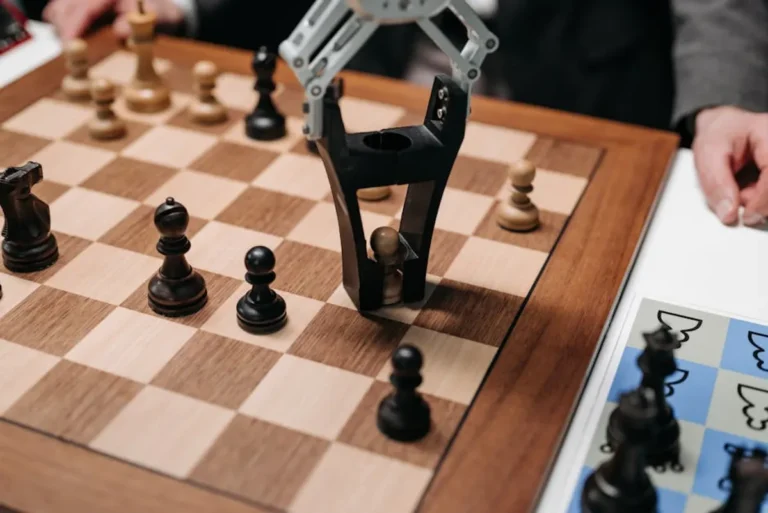
Selecting a board game for a dedicated strategy lover requires moving beyond popular gateway titles and considering depth, replayability, and meaningful decision-making. This audience appreciates games that offer emergent strategies, intricate mechanics, and a satisfying arc of mastery, rather than simple luck or straightforward tactical choices. The goal is to identify games that challenge the mind, reward foresight, and stand up to repeated plays without feeling "solved." This guide focuses on criteria and specific recommendations designed to resonate with those who value strategic elegance and intellectual engagement above all else. To ensure you're making the best choice, consult our strategy board game checklist before buying.
Understanding the Strategy Lover's Profile
A true strategy board game enthusiast seeks more than just a complex rulebook; they look for a system where every decision carries weight and opens up new strategic avenues. The distinction often lies in the quality of choices presented and the game's capacity to foster varied approaches to victory.
Beyond Surface-Level Complexity
For a strategy lover, complexity isn't about the number of components or the length of the rulebook, but the depth of the decision space. They often prefer games where:
- Player actions have cascading consequences, affecting not just their own position but also the overall game state.
- Multiple viable paths to victory exist, encouraging experimentation and adaptation.
- There is minimal randomness, or randomness is mitigated through strategic planning and risk assessment.
- The game evolves with player skill, revealing deeper nuances after multiple plays.
Avoid games heavily reliant on dice rolls or simple card draws that dictate outcomes without significant player agency. The ideal gift provides a framework for intellectual combat, not just a series of tactical puzzles.
Player Count and Playtime Considerations
The optimal player count significantly impacts the strategic experience. Some games shine as intense two-player duels, while others thrive with a full complement, fostering complex alliances or multi-faceted competition. Consider the recipient's typical gaming group size:
- Two-player games: Often feature direct conflict, perfect information (or calculated hidden information), and deep strategic rivalry.
- Three-to-four player games: Introduce more dynamic player interaction, potential for kingmaking, and a balance between personal strategy and group dynamics.
- Five-plus player games: Can lean into diplomacy, negotiation, or area control, where managing a larger table is part of the strategic challenge.
Similarly, playtime is crucial. A grand strategy epic requiring four hours might be perfect for dedicated weekend sessions, while a tighter, 90-minute design might be preferred for weeknight play. Match the game's typical duration to the recipient's available gaming window.
Replayability and Depth
High replayability is a hallmark of a great strategy game. This isn't just about having different scenarios, but about the core mechanics generating fresh strategic puzzles each time. Look for games with:
- Variable setup elements (e.g., modular boards, random event decks, shuffled objective cards).
- Asymmetrical player powers or factions that fundamentally alter gameplay.
- Emergent gameplay that arises from player interactions, rather than prescribed paths.
- A high skill ceiling, meaning experienced players continue to discover new strategies and optimize their play.
A strategy lover wants a game that offers a journey of discovery, not just a single playthrough experience.
Top Picks for Discerning Strategists
These selections represent games highly regarded for their strategic depth, replayability, and engaging mechanics, appealing to a variety of strategic preferences.
Terraforming Mars
This engine-building game challenges players to collaboratively terraform Mars over generations, developing infrastructure and corporations. Its strategic depth comes from optimizing production, managing resources, and synergizing card effects to achieve various milestones and awards. Players must balance short-term tactical plays with long-term strategic goals, adapting to the global parameters and opponents' actions. The vast card pool ensures high replayability.
Best for: Players who enjoy economic engine-building, long-term planning, and a satisfying progression arc with a strong thematic overlay.
Root
Root is an asymmetrical warfare game where each of the four core factions plays by entirely different rules, pursuing unique victory conditions within the same forest. Its strategic appeal lies in mastering a specific faction's intricate mechanics while understanding and counteracting opponents' divergent strategies. High player interaction and a steep but rewarding learning curve make every game a unique strategic puzzle.
Best for: Groups seeking high player interaction, asymmetrical gameplay, and a steep but rewarding learning curve where faction mastery is key.
Brass: Birmingham
An economic simulation and network-building game, Brass: Birmingham tasks players with establishing industries and canal/rail networks during England's industrial revolution. Strategic depth emerges from tight resource management, market manipulation, and indirect player interaction through shared resources and fluctuating market prices. The game rewards efficient planning, opportunistic plays, and understanding the ebb and flow of supply and demand.
Best for: Eurogame enthusiasts who appreciate intricate economic systems, indirect player interaction, and strategic efficiency in a historical setting.
Spirit Island
Spirit Island is a complex cooperative game where players embody nature spirits defending their island home from invading colonizers. Its strategic core involves intricate hand management, area control, and asymmetrical spirit powers, requiring players to coordinate complex actions and anticipate enemy movements. The game offers varying difficulty levels and numerous spirit combinations, ensuring immense replayability and challenging strategic puzzles.
Best for: Cooperative game fans looking for a strategic challenge, complex decision-making, and high replayability against varied adversaries, with a strong thematic focus on environmental defense.
Factors Beyond the Game Box
While gameplay is paramount, other elements can enhance the gifting experience for a strategy enthusiast.
Expansions and Accessories
Many popular strategy games have well-regarded expansions that deepen gameplay, introduce new mechanics, or add variety. If the recipient already owns a core game, an expansion can be an excellent choice, demonstrating an understanding of their existing preferences. Additionally, quality-of-life accessories, such as custom inserts for component organization or upgraded metal coins, can significantly improve the playing experience for someone who values efficiency and aesthetics.
Presentation and Component Quality
While secondary to mechanics, well-produced components, clear iconography, and thoughtful graphic design contribute to the overall enjoyment. A strategy lover often appreciates durable components that stand up to repeated handling and a clean visual design that aids in understanding complex game states. Look for games from publishers known for their production values, as this often indicates attention to detail in all aspects of the game.
Pro Tip: When in doubt about a specific game, subtly inquire about titles the recipient has recently enjoyed or mentioned being on their wishlist. This approach minimizes the risk of gifting a duplicate or a game outside their preferred weight class, ensuring the gift truly resonates with their strategic tastes.
Making the Final Selection
Choosing the right strategy board game gift involves synthesizing your understanding of the recipient's preferences with the specific attributes of potential games. Consider their existing collection: do they prefer competitive or cooperative play? Do they lean towards abstract economic engines or thematic conflict simulations? Prioritize games known for their depth, replayability, and the quality of strategic choices they present. A thoughtful selection will provide hours of engaging intellectual challenge and demonstrate a genuine appreciation for their passion.
Frequently Asked Questions
What defines a "strategy" board game for a discerning player?
For a discerning player, a strategy board game is defined by meaningful choices, emergent gameplay, and a high degree of player agency. It minimizes luck, rewards long-term planning, and offers multiple viable paths to victory that unfold differently with each play, providing a deep, engaging intellectual challenge.
How important is player count when selecting a strategy game gift?
Player count is highly important as it dictates the type and intensity of strategic interaction. A game designed for two players will offer a different experience than one for five. Consider the recipient's typical gaming group size and preferences for direct competition versus multi-player dynamics.
Should I consider expansions when buying a strategy game as a gift?
Yes, if the recipient already owns the base game, a well-regarded expansion can be an excellent gift. Expansions often add new mechanics, components, or scenarios that deepen the strategic experience and extend replayability, demonstrating thoughtful consideration of their existing collection.