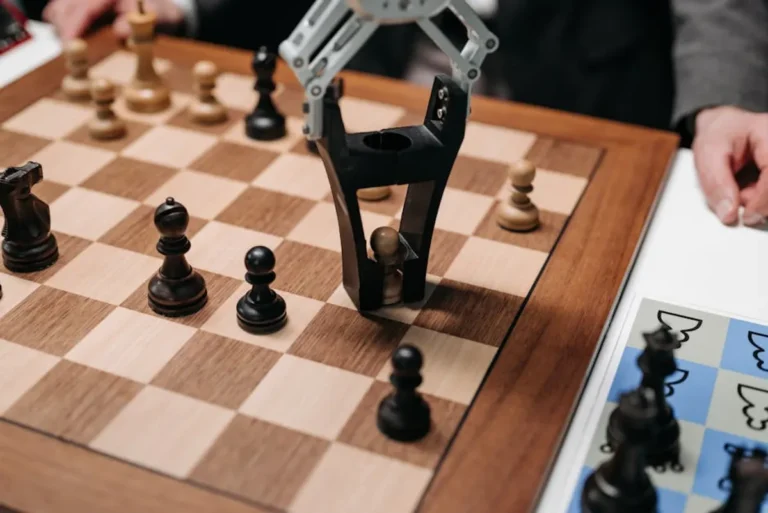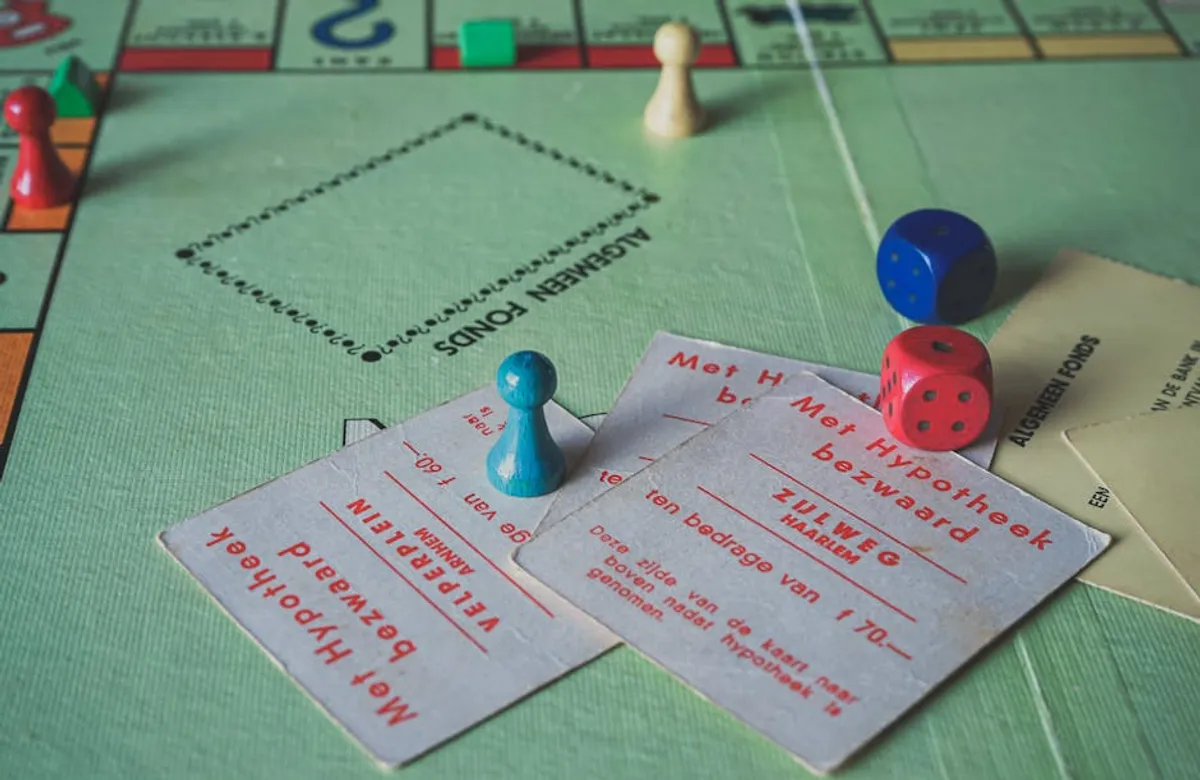
Stepping into the world of board games as a new player often presents a dual challenge: understanding the rules and then figuring out how to actually *win*. Many new players master the mechanics but struggle to develop a cohesive strategy, leading to frustration when more experienced opponents consistently outperform them. This guide moves beyond the rulebook, offering actionable strategic principles designed to elevate your play from simply making moves to making informed, impactful decisions. The goal is not just to play, but to understand the underlying currents of game design that dictate success, enabling you to approach any new game with a strategic framework, rather than relying solely on intuition or luck.
Establishing Your Strategic Foundation
Effective board game strategy begins before your first move, with a clear understanding of the game's core. This involves more than just knowing what pieces do what; it's about grasping the fundamental pathways to victory and the inherent trade-offs each action presents.
Identify Victory Conditions Early
Before placing a single component, internalize how the game concludes and what constitutes a win. Is it accumulating the most victory points? Controlling specific territories? Completing a secret objective? Many games offer multiple paths to victory. Identifying these early allows you to align your actions with a potential winning strategy from the outset, rather than reacting haphazardly. For instance, in a game where points are awarded for set collection, you'll prioritize acquiring specific combinations of cards or resources. If area control is paramount, your focus shifts to board presence and tactical positioning.
Prioritize Engine Building vs. Immediate Points
Many strategic board games present a fundamental tension: should you invest actions and resources now to build an "engine" that generates more resources or points later, or should you pursue immediate, smaller point gains? Understanding this dynamic is crucial. Engine building typically involves acquiring cards, workers, or structures that provide ongoing benefits (e.g., "gain 1 coin per turn," "draw an extra card"). While these actions might not yield points directly, they can significantly amplify your scoring potential in later rounds. Conversely, some games reward aggressive, short-term point acquisition. Evaluating the game's length and the scaling potential of its engine elements will inform your approach.
Best for: Games like Terraforming Mars or Splendor where early investments pay dividends.
Mastering Resource Management
Resources are the lifeblood of most board games, whether they are physical components, action points, or even time. Efficiently managing these limited assets is a cornerstone of strong strategy.
Optimize for Scarcity
Every resource in a board game is finite, even if abundant. Identify which resources are most critical to your chosen strategy and which are generally scarce. Prioritize acquiring or protecting these. This might mean taking an action that doesn't immediately advance your score but secures a vital resource your opponents also need. Conversely, avoid overspending or hoarding resources that are easily replenished or less crucial to your plan, as this ties up valuable actions or capital that could be better deployed.
Understand Opportunity Cost
Every action you take in a board game comes at the expense of other actions you *could* have taken. This "opportunity cost" is a critical strategic consideration. Before making a move, quickly assess what other beneficial actions you are foregoing. Is the immediate benefit of your chosen action greater than the potential future benefit of an alternative? This thinking pushes you beyond simply making a "good" move to making the "best" move in a given situation, considering both direct gains and missed opportunities.
Pro Tip: Before committing to a move, mentally (or physically, if allowed) play out the next two to three turns for your primary strategy. This helps reveal potential bottlenecks in resources or actions, allowing you to adjust your current turn to mitigate future problems. This foresight is a hallmark of advanced play.
Engaging with Opponents and the Game State
Board games are rarely solitary puzzles. Your opponents' actions and the evolving game state are as important as your own plan.
Read the Table: Opponent Analysis
Pay close attention to what your opponents are doing. What resources are they collecting? Which areas of the board are they prioritizing? Are they building an engine, or aggressively pursuing immediate points? Understanding their likely strategies allows you to anticipate their moves, block their progress, or pivot your own plan to exploit their weaknesses. This isn't about mind games, but about objective assessment of their board presence and resource pools.
Adapt to Opponent Strategies
A rigid strategy, while sometimes effective, can be brittle. If an opponent is clearly pursuing the same victory condition as you, or if they are denying you critical resources, you must be prepared to adapt. This might involve shifting to an alternative victory path, or changing your resource priorities. Flexibility is key; the "best" strategy at the start of the game may not be the best strategy halfway through.
Calculated Risks and Strategic Flexibility
No plan survives contact with the enemy, or the dice. Incorporating risk assessment and maintaining flexibility are vital for consistent improvement.
Calculate Probabilities (Simply)
While you don't need to be a statistician, a basic understanding of probability can inform your decisions. If an action relies on drawing a specific card from a deck of 50, and there are only 3 copies of that card left, the odds are low. If you need a specific dice roll, know the likelihood. Use this to weigh risks: is a low-probability, high-reward action worth it, or should you pursue a more reliable, albeit less impactful, alternative? This is particularly relevant in games with dice, shuffled decks, or hidden information.
Don't Tunnel Vision: Be Flexible
Tunnel vision—focusing exclusively on one strategy regardless of how the game unfolds—is a common pitfall. The game state is dynamic. New opportunities will arise, and old plans may become unfeasible. Regularly reassess the board, your opponents' positions, and your own resources. Be willing to abandon a suboptimal plan for a better one, even if it means sacrificing some previous investments. The goal is to win, not to stubbornly adhere to your initial idea.
Elevating Your Play: Next Steps
Improving at board games is an ongoing process of learning and refinement. Apply these principles consistently, and you'll notice a significant difference in your strategic thinking.
- Post-Game Analysis: After every game, take a few minutes to reflect. What worked? What didn't? Were there key turns where you made a pivotal mistake or a brilliant move? Understanding the "why" behind outcomes is crucial for long-term improvement.
- Learn from Experienced Players: Observe how skilled players approach the game. Don't be afraid to ask questions about their choices or their overall strategy. Many experienced players are happy to share insights.
- Practice with Purpose: Don't just play; play to improve. Pick one strategic principle (e.g., "focus on engine building" or "deny opponent resources") and consciously try to apply it during a game. This deliberate practice helps solidify new habits.
Frequently Asked Questions
Should I always try to win, or is it okay to play casually?
Board games are for enjoyment first. While these tips focus on winning, the ultimate goal is fun. Apply these strategies to the degree that enhances your enjoyment, whether that's striving for victory or simply understanding the game more deeply.
How do I deal with "analysis paralysis" as a new player?
Analysis paralysis (taking too long to decide) is common. Start by limiting your options: identify the two or three most impactful moves, then quickly weigh their pros and cons based on the principles discussed (victory conditions, resources, opponent state). As you gain experience, this process becomes faster.
Is luck more important than skill in board games?
Luck plays a role in many games, especially those with dice or shuffled cards. However, skill determines how well you mitigate bad luck and capitalize on good luck. Strategic players consistently perform better over multiple games because they make informed decisions that maximize their chances regardless of random elements.
Should I focus on mastering one game or playing many different ones?
For new players, focusing on a few core games allows you to internalize their specific strategies and build a strong foundation. As you become more comfortable, expanding to different genres will broaden your strategic toolkit, as many principles are transferable across games.