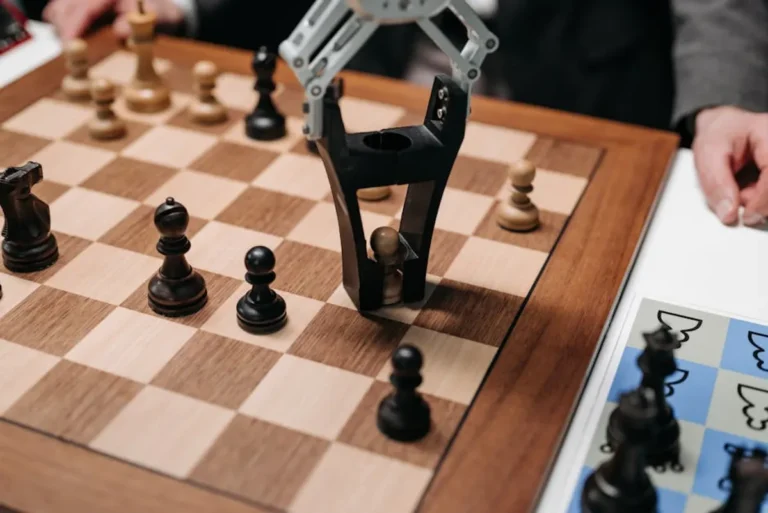
Board games offer a rich landscape for strategic thinking, but even seasoned players can fall into common pitfalls that hinder their performance and enjoyment. Understanding these prevalent mistakes is the first step toward refining your gameplay, leading to more satisfying victories and a deeper appreciation for game mechanics. This guide dissects frequent strategic missteps, providing actionable insights to elevate your play from reactive to deliberate.
Overlooking Rulebook Specifics
A common error stems from an incomplete understanding of game rules. Many players skim the rulebook, assuming they grasp core mechanics, only to miss crucial nuances that dictate optimal play. This isn't just about forgetting a minor detail; it often involves overlooking specific scoring conditions, turn order implications, or unique card interactions that can fundamentally alter strategic priorities. For example, a game might award bonus points for set collection *only if* a specific condition is met, a detail easily missed when rushing through setup. This oversight can lead to inefficient resource allocation or pursuing objectives that yield fewer points than anticipated.
Impact: Inaccurate strategic planning, suboptimal turn efficiency, and missed scoring opportunities. A thorough understanding of the rulebook allows for a more robust mental model of the game's systems, enabling players to identify high-value actions and anticipate opponent moves more effectively.
Tunnel Vision on Personal Objectives
Focusing exclusively on one's own game plan without considering opponents' progress is a significant strategic weakness. This "tunnel vision" leads to reactive play, where you respond to threats only after they materialize, rather than proactively disrupting rival strategies. In games with limited resources or competitive objectives, understanding what opponents need, what they are building, and their likely next moves is critical. If an opponent is clearly collecting a specific set of cards for a powerful end-game bonus, ignoring their progress means you might not intervene, block their access, or pivot your own strategy to counter their advantage.
Consequence: Allowing opponents to execute their plans unhindered, missing opportunities for advantageous trades or attacks, and failing to adapt to a dynamic game state. Effective play requires a balance between advancing your own position and managing the threats posed by others.
Premature Commitment to a Single Strategy
Committing too early to a rigid strategy, especially in games with variable setups or high player interaction, can be detrimental. While having a general direction is useful, locking into a specific "build order" or victory condition from the first few turns often leads to inflexibility. The game state evolves; opponents make moves, cards are drawn, and resources become scarce or abundant. A strategy that seemed optimal on turn one might be completely unviable by turn five. Players who cannot pivot or adjust their approach based on the evolving board state often find themselves struggling to keep pace.
Recommendation: Maintain strategic flexibility. Identify multiple viable paths to victory and be prepared to shift focus as opportunities arise or as opponents block your initial path. This requires a broader understanding of the game's mechanics and potential synergies.
Ineffective Resource Management
Beyond simply accumulating resources, effective management involves understanding their value, timing their acquisition, and optimizing their expenditure. This includes not just tangible resources like currency or raw materials, but also actions, turns, and even card plays. Wasting actions on low-impact moves, hoarding resources past their optimal use, or failing to convert resources into points efficiently are common errors. For instance, spending a valuable action to gain a resource that isn't immediately useful, when a more impactful action could have been taken, represents a lost opportunity cost.
Pro Tip:
Many players fall into the trap of "analysis paralysis," overthinking every possible move. While careful consideration is crucial, prioritize actions that yield immediate, tangible benefits or directly advance your primary objectives. Avoid spending excessive time on marginal gains when a clear, high-impact move is available. Sometimes, a good plan executed decisively is better than a perfect plan delayed indefinitely.
Key Areas for Improvement:
- Opportunity Cost: Evaluate what you give up by taking a specific action.
- Resource Conversion: Understand the most efficient ways to turn raw resources into victory points.
- Timing: Acquire resources when they are most impactful, not just when they are available.
- Scarcity vs. Abundance: Recognize when a resource is limited and needs to be prioritized, versus when it's plentiful and can be acquired later.
Underestimating End-Game Scoring
Many board games feature complex end-game scoring conditions that can significantly swing the final results. Players often focus heavily on mid-game engine building or immediate point gains, only to discover that an opponent has quietly accumulated a massive score through less obvious end-game bonuses. These might include points for specific card sets, control of certain board areas, or fulfilling secret objectives. Failing to factor these into your strategy from the outset can lead to a late-game realization that your carefully constructed engine isn't translating into the most valuable points.
Strategic Adjustment: From the first turn, consider how your actions contribute to both immediate gains and potential end-game scores. Prioritize actions that synergize across both phases of the game. Regularly check the end-game scoring conditions and adjust your focus if opponents are clearly building towards them.
Failing to Adapt to the Table's Meta
Every gaming group develops its own "meta"—a prevailing set of strategies and player tendencies. Failing to recognize and adapt to this meta is a common mistake. If your group consistently favors aggressive strategies, a purely defensive approach might leave you vulnerable. Conversely, if players are generally non-confrontational, an early aggressive move might catch them off guard. This also applies to specific games; certain strategies might be considered "strong" in online communities, but if your local group doesn't employ them, playing strictly by the online meta might not be optimal.
Actionable Insight: Observe your opponents' playstyles. Do they prefer economic engines, direct conflict, or opportunistic plays? Adjust your strategy to exploit their weaknesses or counter their strengths. This involves a degree of psychological play, anticipating common responses and tailoring your moves accordingly.
Refining Your Play
Improving your board game strategy is an ongoing process of observation, analysis, and adaptation. By consciously avoiding these common pitfalls, you move beyond basic understanding to a more sophisticated level of play. This doesn't guarantee victory every time, but it significantly increases your chances and, more importantly, deepens your engagement with the strategic depth each game offers. Focus on understanding the complete rule set, monitoring your opponents, maintaining strategic flexibility, optimizing resource use, accounting for all scoring conditions, and adapting to the specific table dynamics.
Frequently Asked Questions
How can I learn complex game rules more effectively?
Read the rulebook thoroughly, then watch a "how to play" video. Play a practice round or two without focusing on winning, just to internalize the mechanics. Keep the rulebook handy for quick reference during your first few plays.
Is it always bad to focus on one strategy?
No, but it's risky if that strategy is easily disrupted or if the game state doesn't support it. A strong, focused strategy is powerful when you can secure its components and protect it. The mistake is rigid adherence when the game demands flexibility.
How do I balance offense and defense in games?
This depends heavily on the game. Generally, prioritize actions that advance your own score while simultaneously hindering opponents' progress. Look for actions that achieve both, such as taking a resource an opponent desperately needs while also completing a set for yourself.
What's the best way to improve quickly?
Play regularly, but critically. After each game, reflect on what went well, what went poorly, and what you could have done differently. Discuss strategies with more experienced players and be open to feedback.