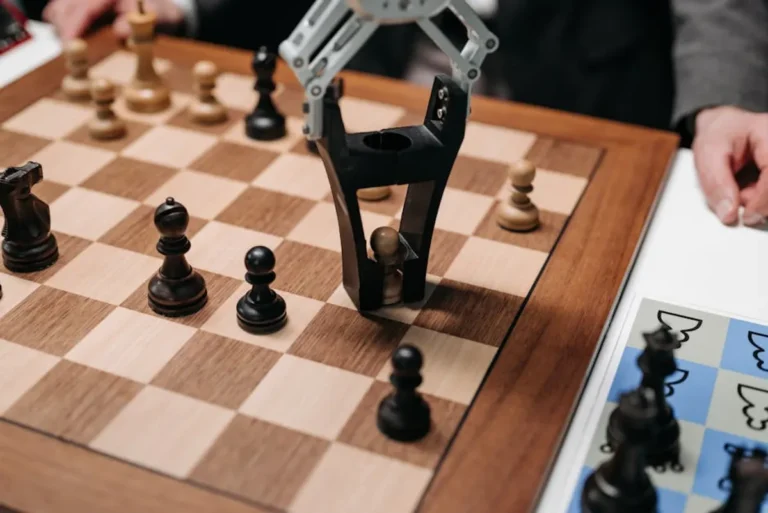
Improving at family board games extends beyond simply understanding the rules; it involves a blend of strategic thinking, psychological insight, and consistent practice. For many, the goal isn't just to win every game, but to engage more deeply, make more informed decisions, and ultimately, enhance the enjoyment for everyone involved. Approaching game night with a structured mindset can transform casual play into a more rewarding intellectual exercise, fostering sharper decision-making skills and a better appreciation for game design.
Mastering the Fundamentals
Effective play begins with a thorough understanding of the game's foundational elements. Surface-level knowledge often leads to reactive, rather than proactive, moves. A deeper dive into the mechanics provides the framework for all subsequent strategic development.
Deep Dive into Rulebooks
Before making assumptions, dedicate time to reading the rulebook comprehensively. Many players skim or learn by osmosis, missing critical nuances, optional rules, or specific timing windows for actions. Pay close attention to definitions of key terms, turn structure, and scoring conditions. A clear understanding of these specifics prevents misplays and allows for the identification of optimal move sequences. For instance, knowing the exact trigger for an end-game condition can dictate whether to prioritize short-term gains or long-term setup.
Identifying Core Victory Conditions
Every board game has a defined path to victory. This isn't always about accumulating the most points. Sometimes it's about completing specific objectives, controlling certain areas, or being the last player standing. Identify the primary, secondary, and even tertiary ways to win. Some games offer multiple viable strategies, while others funnel players toward a narrow set of winning conditions. Understanding these paths allows you to align your actions with a clear objective, rather than making arbitrary moves. For example, in a game where victory points are awarded for set collection, focus on efficient collection rather than incidental accumulation.
Developing a Strategic Mindset
Once the rules are internalized, the next step is to elevate play through strategic foresight. This involves thinking several turns ahead and evaluating the broader implications of each action.
Anticipating Opponent Moves
Effective strategy is rarely executed in a vacuum. Consider what your opponents are trying to achieve and how your actions might enable or hinder them. Look for patterns in their play, identify their resource needs, and predict their likely next moves based on the current board state. This doesn't mean always playing defensively; sometimes, a move that benefits you significantly might also inadvertently benefit an opponent, requiring a careful cost-benefit analysis. For example, if an opponent needs a specific card to complete a set, avoid discarding that card if possible, or use it yourself if the opportunity arises.
Resource Management and Efficiency
Most board games involve managing some form of resource: currency, cards, workers, actions, or time. The ability to allocate these resources efficiently is paramount. Evaluate the value of each resource in different contexts and prioritize their use to maximize impact. Avoid wasteful spending or hoarding resources unnecessarily if they could be deployed for immediate advantage. This also extends to understanding opportunity cost – what you give up by choosing one action over another. For instance, spending a valuable action to draw a new card might be less efficient than using that action to build a critical structure.
Adaptability and Contingency Planning
No strategy survives first contact with the enemy, or in this case, the other players. Be prepared to adjust your plans as the game state evolves. A rigid adherence to an initial strategy, even when circumstances change, often leads to suboptimal outcomes. Develop contingency plans for various scenarios: what if a key resource is taken? What if an opponent blocks your intended path? The ability to pivot and execute an alternative strategy is a hallmark of an improved player.
Pro Tip: Focus on understanding the "why" behind successful moves, not just replicating them. Analyzing the underlying principles allows for adaptable strategy across different game states and even different games.
The Social Dynamics of Play
Family board games often involve a significant social component. Understanding and leveraging these interpersonal dynamics can provide a distinct advantage, particularly in games involving negotiation, bluffing, or hidden information.
Observing Player Habits and Tells
Pay attention to how different family members play. Does one player always prioritize aggressive expansion? Does another tend to hoard resources before making a big play? These habits can become "tells" that signal their intentions. While not foolproof, recognizing these patterns can help you anticipate their actions and plan accordingly. This includes body language, verbal cues, and even their reaction to certain board states.
Negotiation and Diplomacy
In games that permit player interaction beyond direct actions, effective negotiation and diplomacy can be powerful tools. This involves forming temporary alliances, trading resources, or convincing others to target a common threat. The key is to offer mutually beneficial arrangements without giving away too much. Understand that these alliances are often transient and can shift with game conditions. Building trust, even temporarily, can be a strategic asset.
Managing Expectations and Tilt
While the goal is to improve, maintaining a positive attitude is crucial for sustained enjoyment and learning. Avoid "tilt," the emotional state of frustration or anger that can lead to impulsive, poor decisions. Recognize that luck is a factor in many games, and not every loss is due to a strategic error. Focus on making the best possible move given the information available, rather than dwelling on unfavorable dice rolls or card draws. A calm, analytical approach facilitates better learning from both wins and losses.
Continuous Improvement Cycle
Improvement is an ongoing process that benefits from consistent engagement and reflection.
Regular Play and Variety
Consistent exposure to different game scenarios is essential. The more you play, the more you encounter various challenges and opportunities, refining your decision-making. Additionally, playing a variety of games, not just one favorite, can broaden your strategic toolkit. Different games emphasize different skills—resource management, tactical positioning, bluffing—and mastering one can often translate to others.
Debriefing After Each Session
After a game concludes, take a few minutes for a brief, constructive debrief. Discuss key turning points, crucial decisions, and what went well or poorly. This isn't about assigning blame, but about collective learning.
- Identify critical mistakes made by yourself or others.
- Discuss alternative moves that could have led to a better outcome.
- Analyze the effectiveness of different strategies employed during the game.
- Note specific rules interpretations that caused confusion or debate.
This post-game analysis transforms a simple play session into a valuable learning experience, solidifying lessons for future games.
Learning from External Resources
Many games have communities that share strategy guides, playthrough videos, and forum discussions. Engaging with these resources can expose you to advanced tactics and different perspectives you might not discover on your own. Observe how experienced players approach specific game states, manage resources, and adapt to changing conditions. This external input can accelerate your learning curve significantly.
Elevating Your Game Night Experience
Improving at family board games is a journey that combines analytical thinking with an appreciation for the game's social elements. By mastering the rules, developing strategic foresight, understanding player dynamics, and committing to continuous learning, you not only increase your chances of winning but also deepen your engagement and enjoyment. Each game becomes an opportunity to refine your skills, making every family game night a more rewarding experience for everyone at the table.
Frequently Asked Questions
Is it okay to "go easy" on younger players?
For very young or new players, it can be beneficial to adjust your play style to focus on teaching and encouraging participation. As players mature, gradually increase your strategic rigor. The goal is to foster a love for the game and strategic thinking, not to create frustration through constant, overwhelming defeats.
How do I handle a competitive family member who makes games less fun?
Address the issue directly but gently. Suggest focusing on the shared experience and strategic challenge rather than solely on winning. Sometimes, introducing cooperative games or games with less direct player conflict can help balance the competitive intensity.
What are good games for practicing strategy?
Games like Ticket to Ride, Catan, Carcassonne, or Splendor offer accessible strategic depth. For more advanced play, consider titles like Terraforming Mars, Wingspan, or Gloomhaven, which require significant planning and resource management.
How often should we play to see improvement?
Consistency is more important than frequency. Even playing once a week with a debrief session can lead to noticeable improvement over time. The key is to actively apply learned lessons and reflect on your play.