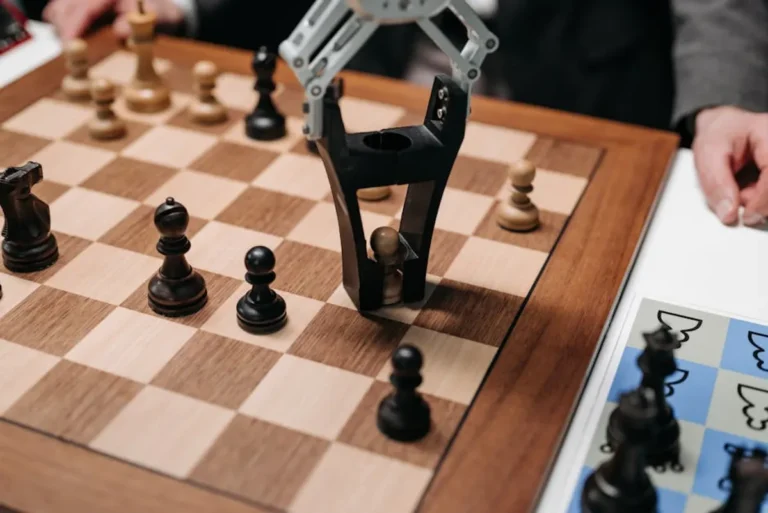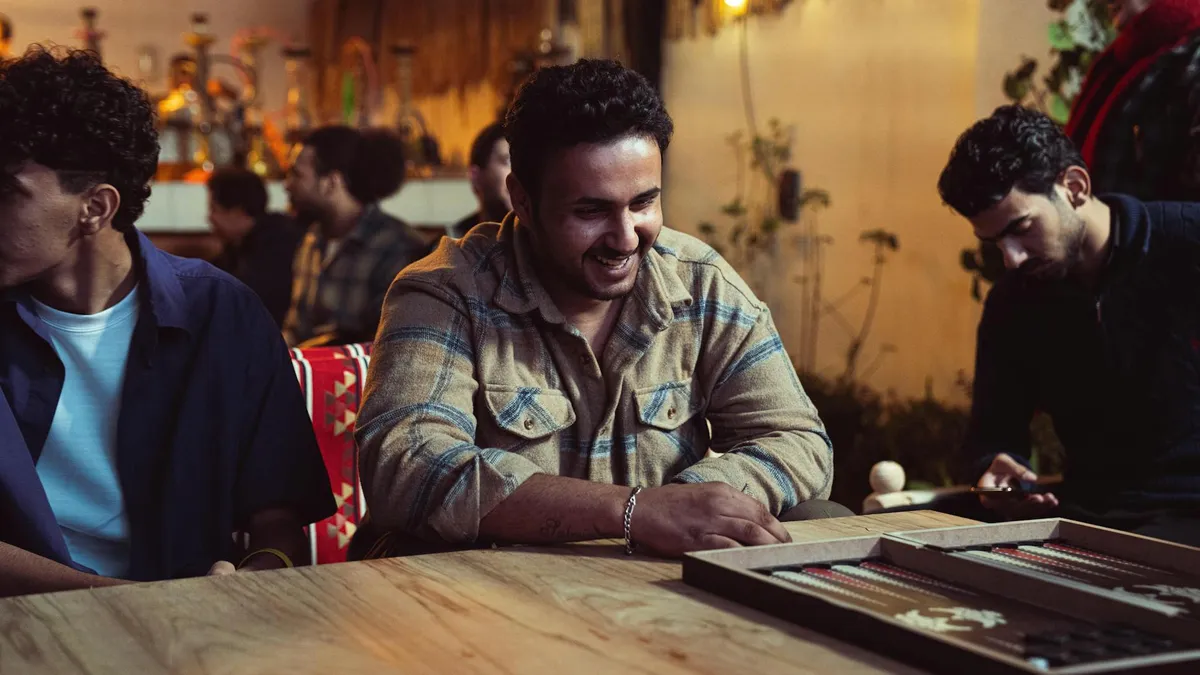
The board game café occupies a strange social position in modern public life. It is one of the few remaining spaces where strangers regularly engage in a sustained shared activity that is neither commercial nor performative. You sit at a table with people you have not previously met, you spend two hours doing something together that requires real cooperation or competition, and at the end you go home, having shared an evening with people you may never see again.
The form is older than it appears. Coffeehouses in the 18th century functioned similarly: strangers gathered around shared activities, conversations, games. What the modern board game café offers is a contemporary version of that older pattern, in cities that have largely lost the institutions that used to provide it.
The implicit contract
Playing a board game with strangers requires an implicit contract that is rarely spoken aloud. Each player will pay attention. Each will play in good faith. Each will accept the rules as given without arguing. Each will tolerate the others' inexperience or distinct play style without commenting on it. Each will leave at the end without expecting more from the encounter than the encounter has produced.
The contract holds, more often than one would predict. Game cafés are notably more functional than the analogous experience would be in most other contexts — strangers playing tennis together, strangers cooking together, strangers performing music together. The structure of the game does most of the social work. The rules give everyone the same script. The board organizes attention. The turn structure manages conversation. What might otherwise require a great deal of social labor is largely automated by the medium.
Why it works with strangers
Playing board games with friends is excellent in its own way. Playing with strangers is excellent in a different way. Both have value; the differences are worth noticing.
With friends, the game is a setting for the friendship. The conversation is partly about the game and partly about the lives of the people around the table. The evening is an evening with specific people, mediated by the game.
With strangers, the game is the actual subject. The conversation is largely about the game itself. There is no shared history to draw on, no inside jokes, no ongoing concerns. The encounter is constrained to what the game and the moment produce. This sounds like a deficit but is also a freedom. Strangers do not bring the accumulated weight of a friendship to the table. They are just there to play.
This produces a kind of attention to the game that is sometimes harder to produce among friends. The game is what you have in common; the game gets the focus. With friends, the game can drift into the background as the friendship takes precedence. With strangers, the game holds the foreground.
The good stranger
Most strangers at game cafés are good strangers. The activity self-selects for a particular type of person — patient, willing to learn, comfortable with low-stakes social interaction. The proportion of difficult people at game cafés is much lower than the proportion at, for example, bars or sports events.
The good stranger has certain qualities that become recognizable after a few visits. They explain rules clearly without condescending. They tolerate other players' early-game mistakes without frustration. They make small talk that does not push too far into personal territory. They congratulate the winner without sycophancy. They lose with grace. They leave when the game ends without overstaying.
These are unremarkable virtues, and yet they are not always present in strangers in other contexts. The board game café trains and selects for them. People who are bad at this kind of interaction tend not to come back. The remaining population is, on average, easier company than the general population.
What strangers reveal
Playing with strangers reveals things about yourself that playing with friends does not. Without a shared history to fall back on, you have only the current behavior to be judged by. How you handle a bad turn becomes more visible. How you behave when winning becomes more visible. The small moments of generosity or its absence — sharing rules clarification, helping a struggling player see a move they've missed, taking the loss without complaint — are more legible to strangers than to friends who already know how you tend to act.
This produces a small accountability that friend-only play does not produce. When you behave badly with friends, the friendship absorbs it; you may not even realize you behaved badly. With strangers, the bad behavior is more clearly that — a discrete bad action, witnessed by people whose only data about you is the evening just spent. The motivation to be a better version of yourself is, modestly, stronger.
The end of the evening
The end of an evening with strangers has a particular quality that distinguishes it from most other social encounters. There is no expectation of follow-up. No one asks for a phone number. No one suggests doing this again. The encounter has been complete in itself; what was shared has been shared.
Sometimes there is a follow-up. Sometimes the strangers become friends. More often the evening simply ends, and both parties go home with the modest pleasure of having spent a couple of hours among reasonable people doing something they enjoyed. This is, in its way, what city life used to provide more often: opportunities for low-stakes encounters with strangers that produced a small enrichment without obligation.
The board game café has quietly preserved this form. Worth recognizing. Worth supporting. Worth visiting occasionally even when you have friends to play with, because the form offers something that the friend-only evening does not.