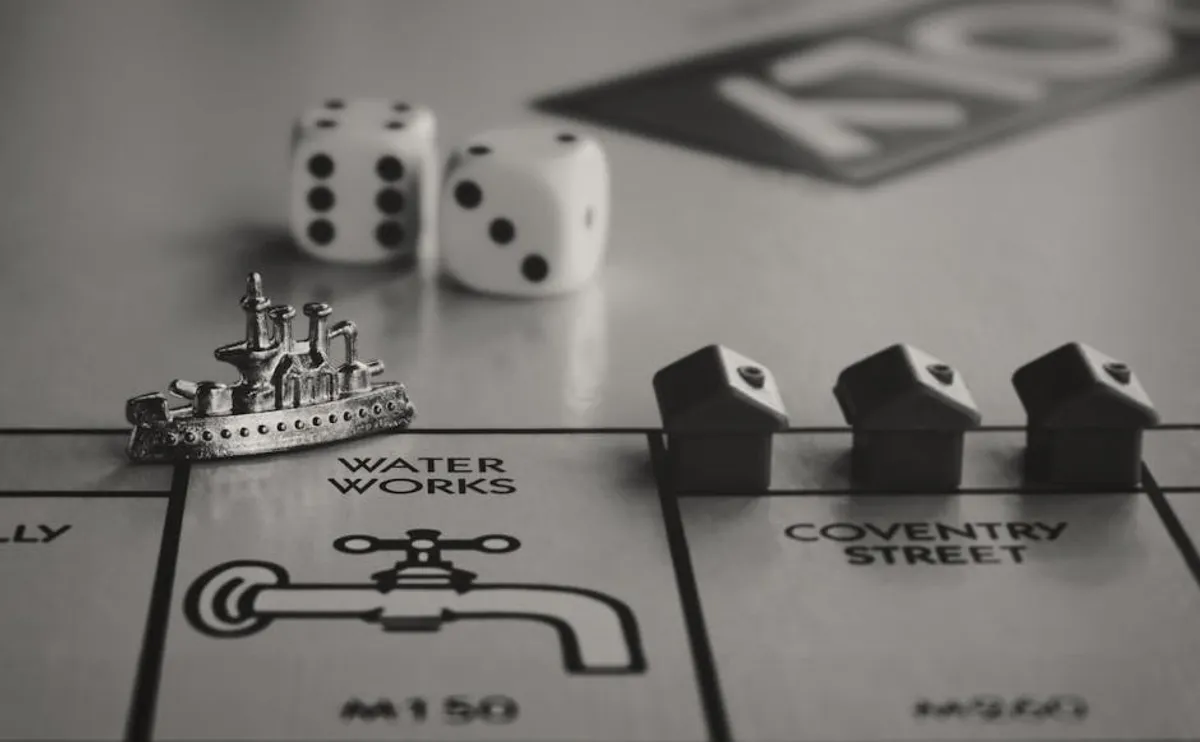
Strategic thinking and meticulous planning are not innate traits; they are developed skills. In an environment where business landscapes shift rapidly and competitive pressures demand constant foresight, the ability to anticipate, adapt, and optimize is paramount. While formal education and professional experience provide foundational knowledge, the nuanced art of strategy often benefits from a lower-stakes training ground. Board games offer precisely this: a structured, interactive laboratory for honing decision-making under constraints, managing resources, and outmaneuvering rivals without real-world financial risk.
Foundational Strategic Principles in Play
Board games distill complex strategic challenges into manageable systems, allowing players to experiment with different approaches and observe direct consequences. This iterative learning process builds a robust understanding of cause and effect in a strategic context.
Resource Allocation and Optimization
Many popular board games center on the efficient management of limited resources. In Catan, for example, players must decide whether to invest in roads for expansion, settlements for resource generation, or development cards for immediate advantages, all while contending with fluctuating resource availability and opponent actions. This mirrors real-world business decisions regarding budget distribution, personnel deployment, or supply chain management, where every choice has an opportunity cost and directly impacts long-term viability. Similarly, games like Terraforming Mars demand players optimize complex "engine building" strategies, carefully balancing immediate tactical gains with long-term strategic objectives by converting resources into points or capabilities.
Predictive Analysis and Contingency Planning
Games such as Chess or Go exemplify the need for deep predictive analysis. Players must not only plan their own moves several turns in advance but also anticipate potential counter-moves from opponents. This cultivates the ability to construct elaborate mental decision trees, evaluating multiple potential outcomes and developing contingency plans for each. In a business context, this translates to forecasting market trends, preparing for competitive product launches, or developing risk mitigation strategies for project delays.
Risk Assessment and Opportunity Cost
Every decision in a board game carries a degree of risk and an associated opportunity cost. In Ticket to Ride, players must decide whether to pursue a long, high-value route that might be blocked by an opponent, or secure shorter, safer connections. This continuous evaluation of potential rewards against potential losses, and the understanding that choosing one path means foregoing another, directly translates to investment decisions, market entry strategies, or product development choices where resources are finite and outcomes uncertain.
Adaptability and Iterative Strategy
Few strategic environments remain static, and board games often introduce elements of randomness or dynamic player interaction that demand flexibility. Games like Pandemic, where players cooperatively fight global diseases, require constant adaptation to new outbreaks and evolving threats. Initial plans frequently need to be revised based on card draws or the actions of other players. This fosters an agile mindset, crucial for navigating volatile markets, responding to competitor innovations, or pivoting business models in response to unforeseen challenges.
Pro Tip: To maximize skill transfer, debrief after each game. Analyze key decisions, alternative paths, and outcomes. This meta-cognition solidifies learning, transforming casual play into a deliberate practice for strategic refinement, much like a post-mortem analysis of a business project.
Competitive Intelligence and Asymmetric Play
Understanding opponent motivations and capabilities is a cornerstone of effective strategy. Games with asymmetric factions, such as Root, force players to internalize distinct win conditions and strategic approaches for each side. Learning to exploit an opponent's weaknesses while protecting one's own vulnerabilities is a direct analog to competitive market analysis, where understanding competitor strengths, weaknesses, and strategic goals informs one's own positioning and differentiation.
Translating Game Skills to Commercial Advantage
The structured problem-solving, resource management, and foresight developed through board games are directly applicable to numerous professional domains:
- Project Management: Optimizing task sequencing, allocating personnel and budget, and mitigating risks.
- Market Strategy: Analyzing competitive landscapes, identifying opportunities, and planning market entry or product launch campaigns.
- Resource Allocation: Making informed decisions about capital expenditure, human resources, and operational budgets.
- Competitive Analysis: Understanding competitor moves, anticipating reactions, and developing counter-strategies.
- Negotiation and Diplomacy: Practicing persuasion, compromise, and alliance-building in multi-player games.
- Problem-Solving: Developing systematic approaches to complex, multi-faceted challenges.
- Team Leadership: Fostering collaborative decision-making and strategic alignment in cooperative games.
The repeated exposure to these strategic loops in a low-consequence environment builds intuition and pattern recognition. This translates into more confident, data-driven, and adaptable decision-making when faced with real-world business challenges.
Cultivating Strategic Acuity Through Play
Integrating board games into personal development or even team-building exercises offers a tangible pathway to enhance strategic and planning capabilities. Beyond casual entertainment, approaching these games with an analytical mindset—reflecting on choices, understanding outcomes, and exploring alternative strategies—transforms them into powerful tools for cognitive skill development. The lessons learned in managing a fictional empire or navigating a complex economic system can directly inform how professionals approach their next project, market challenge, or organizational goal.
Frequently Asked Questions
Are all board games equally effective for teaching strategy?
No. Games with deeper decision trees, resource management, and player interaction (often classified as "Eurogames" or "strategy games") tend to offer more robust strategic learning opportunities than simpler, luck-driven games. Look for titles that emphasize planning, prediction, and adaptation.
How can board game skills be applied directly to a marketing campaign?
A marketing campaign benefits from strategic thinking in budget allocation (resource management), anticipating competitor responses (predictive analysis), segmenting audiences (understanding diverse objectives), and adapting messaging based on performance data (iterative strategy). Board games provide a safe space to practice these exact mental models.
What's the best way to integrate board games into professional development?
Consider incorporating strategic board game sessions into team-building events, leadership workshops, or even as a regular "lunch and learn" activity. The key is to facilitate a debriefing session afterward, where participants discuss their strategies, decisions, and how those translate to their professional roles.
Do digital versions of board games offer the same benefits?
Digital adaptations of board games can offer similar strategic benefits, often with the added convenience of automated rules enforcement and remote play. However, the tactile experience and face-to-face negotiation aspects of physical board games can offer additional soft skill development that digital versions might diminish.