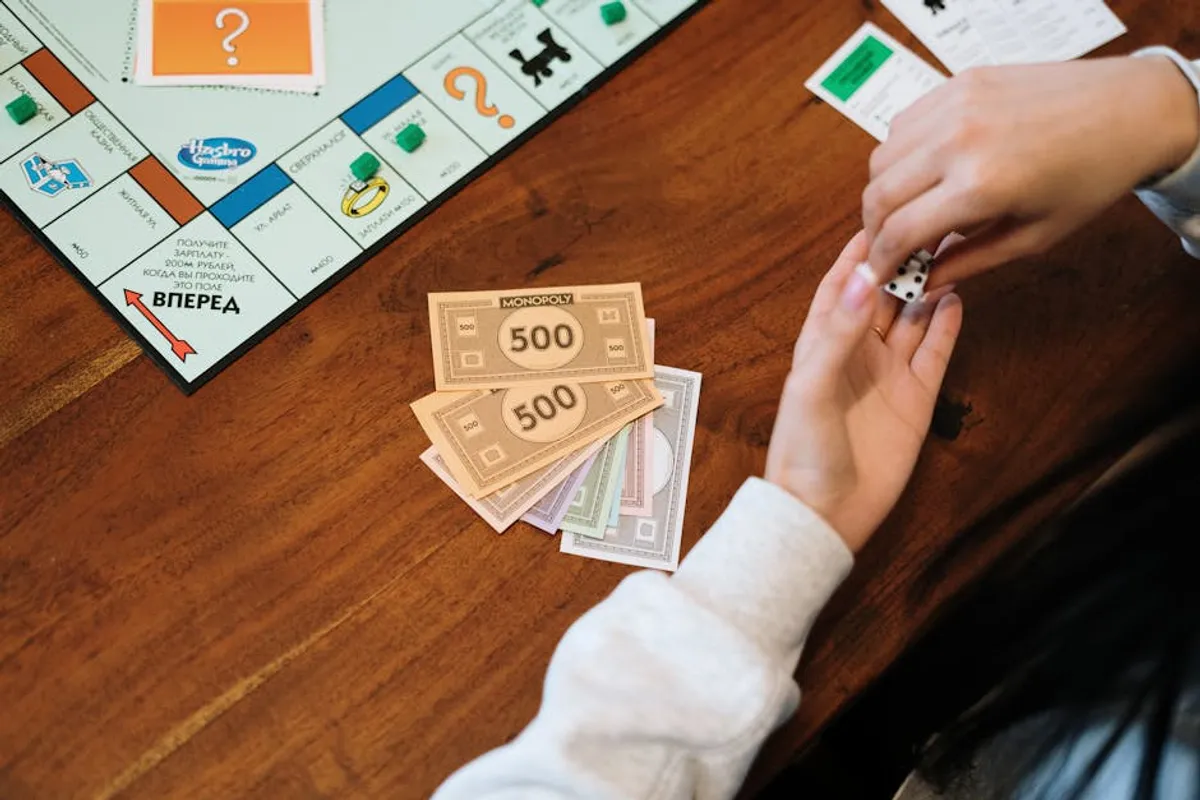
Introducing someone to the world of board games requires a thoughtful selection process. The goal is to spark enthusiasm, not overwhelm with complex rulebooks or lengthy playtimes. A successful beginner board game gift balances accessibility with engaging gameplay, ensuring the recipient can quickly grasp the mechanics and enjoy the experience without prior hobby knowledge. This guide focuses on identifying games that provide a low barrier to entry while offering sufficient depth to encourage future exploration.
Core Attributes of Beginner-Friendly Board Games
When selecting a board game for a new player, several key characteristics contribute to a positive initial experience. Prioritizing these attributes helps ensure the game is played and enjoyed, rather than shelved after a single, confusing session.
- Simple Rule Sets: The most crucial factor. Rules should be teachable within 10-15 minutes, with minimal exceptions or complex interactions.
- Short Playtime: Aim for games that can be completed within 30-60 minutes. This prevents fatigue and allows for multiple plays to solidify understanding.
- Clear Objectives: Players should always know what they are trying to achieve and how their actions contribute to that goal.
- Engaging Themes: Relatable or appealing themes (e.g., trains, city building, cooperative survival) make the game more inviting than abstract concepts.
- Low Analysis Paralysis: Games where decisions are relatively straightforward and do not require extensive planning or calculation are ideal for new players.
- High Replayability: While not strictly a beginner attribute, games that offer varied setups or evolving strategies will keep new players coming back.
Recommended Board Games for New Players
The following selections consistently serve as excellent entry points into the board gaming hobby, each offering a distinct experience tailored for beginners.
Ticket to Ride
Ticket to Ride is a quintessential gateway game, known for its elegant simplicity and broad appeal. Players collect colored train car cards to claim railway routes connecting cities across a map. The objective is to complete destination tickets, which are secret routes connecting specific cities, earning points. The game’s core loop—draw cards, claim routes, draw new tickets—is intuitive.
Best for: Families, casual groups, those who enjoy map-based strategy with minimal conflict.
Why it works for beginners:
- Direct Mechanics: The "draw two, place two" turn structure is easy to internalize.
- Visual Clarity: The board and components clearly represent the game state.
- Low Direct Conflict: While routes can be blocked, the game rarely feels aggressive, fostering a pleasant social experience.
Catan (formerly Settlers of Catan)
Catan introduced resource management and trading to a mass audience. Players build settlements and cities on a hexagonal board, collecting resources (wood, brick, wool, grain, ore) based on dice rolls. These resources are then used to expand their network or traded with other players to acquire needed materials. The variable board setup ensures each game feels fresh.
Best for: Groups interested in negotiation, resource management, and strategic building.
Why it works for beginners:
- Engaging Interaction: The trading phase encourages player communication and negotiation.
- Clear Progress: Visible expansion on the board provides immediate feedback on strategic decisions.
- Variable Setup: While the core rules remain, the changing board layout offers replayability without new rules.
Codenames
Codenames is a word-association party game for two teams. Each team has a Spymaster who gives one-word clues that can point to multiple words on the board. The other players (field operatives) try to guess their team's words while avoiding the opponent's words and a game-ending assassin. The game thrives on creative clues and clever deductions.
Best for: Larger groups, parties, those who enjoy word puzzles and creative thinking.
Why it works for beginners:
- Minimal Setup: Quick to get started with just a grid of words.
- Team-Based: New players can learn from more experienced teammates.
- High Interaction: Constant discussion and deduction keep everyone engaged.
Pandemic
Pandemic is a cooperative game where players work together to save the world from four deadly diseases. Each player takes on a unique role with special abilities, traveling the globe to treat infections, research cures, and prevent outbreaks. The game is a race against time, requiring strategic planning and teamwork to succeed before the diseases overwhelm humanity.
Best for: Groups who prefer working together, enjoy problem-solving, and appreciate a thematic challenge.
Why it works for beginners:
- Cooperative Play: No direct player versus player conflict, fostering a supportive environment.
- Clear Goal: The objective is straightforward: cure the diseases.
- Scalable Difficulty: Can be adjusted for easier initial plays, then increased as players gain experience.
Pro Tip: When choosing a beginner board game, consider the recipient's existing interests. If they enjoy puzzles, a cooperative game might be ideal. If they like social interaction, a party game or one with negotiation will resonate. Matching the theme or mechanic to their preferences significantly increases the likelihood of long-term engagement.
Choosing the Right Beginner Game
The "best" beginner game is ultimately subjective, but by considering a few final points, you can refine your selection:
- Player Count: Ensure the game comfortably supports the typical number of players the recipient will gather. Many beginner games excel at 2-4 players, while party games often require more.
- Recipient's Personality: Do they prefer quiet strategy or boisterous interaction? Are they patient with rules, or do they need immediate action?
- Component Quality: While not a deal-breaker, well-produced components can enhance the initial impression and overall play experience. Clear iconography and durable pieces are a plus.
A well-chosen board game gift for a beginner can open doors to a rich, engaging hobby. Focus on games that prioritize ease of learning and immediate enjoyment, setting the stage for countless hours of shared experiences.
Frequently Asked Questions
What makes a board game "beginner-friendly"?
A beginner-friendly board game typically features simple rules teachable in under 15 minutes, has a playtime of 30-60 minutes, clear objectives, and minimizes complex strategic depth or analysis paralysis, allowing new players to quickly grasp the game and enjoy themselves.
Are cooperative games better for new players than competitive ones?
Cooperative games are often excellent for new players because they eliminate direct competition and allow everyone to work together towards a common goal. This can reduce pressure and provide opportunities for experienced players to guide new ones without feeling like they are "ganging up" on them.
What's a good price point for a beginner board game gift?
Many excellent beginner board games fall within the $20-$50 range. This price point often offers a balance of quality components, engaging gameplay, and sufficient replayability without being a significant investment for a new hobbyist.
Should I consider expansions for a beginner board game?
For a beginner, it's best to stick to the base game only. Expansions typically add new rules, components, and complexity, which can overwhelm someone just learning the core mechanics. Once the recipient has played the base game several times and expressed interest, an expansion can be a thoughtful follow-up gift.